The live penguin webcam at the California Academy of Sciences in San Francisco offers a delightful glimpse into the playful world of these charming birds. Viewers can enjoy watching the African penguins waddle and swim in their habitat. Additionally, you can learn about their behavior and conservation efforts. The captivating visuals allow families and nature enthusiasts to connect with wildlife from the comfort of their homes. This interactive experience not only entertains but also raises awareness about the importance of preserving such unique species in our ecosystem.
Learn about the Penguins at CAS
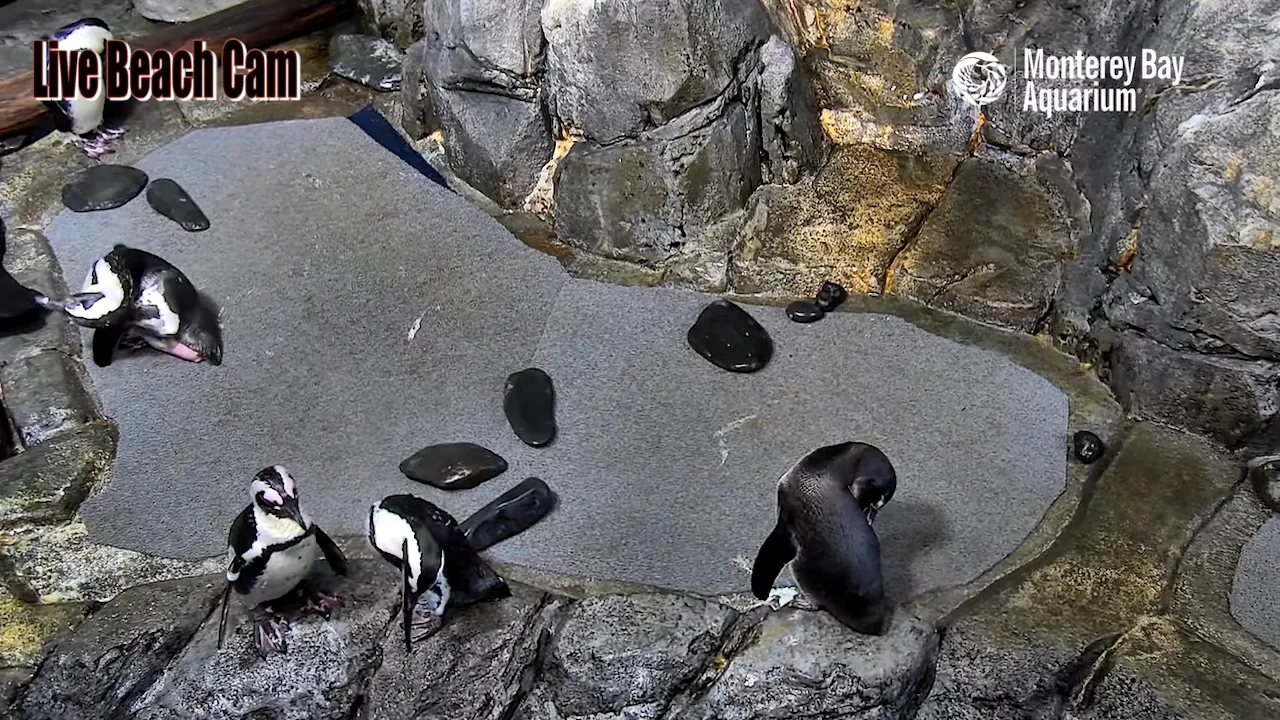
At the California Academy of Sciences, visitors can marvel at the lively African penguins that are a joyful part of the aquarium’s exhibits. These charming birds can be seen waddling around their habitat, diving into water, and interacting with each other. Their striking black and white feathers make them look like little tuxedoed gentlemen.
The habitat is designed to mimic their natural environment. Moreover, it is complete with rocky areas and water pools where the penguins swim and play. Thus, creating a delightful spectacle for everyone.
The African penguins at the Academy are not just lovely to watch; they also have unique personalities. Some penguins are more outgoing and curious, often approaching the glass to greet visitors. Others are shy and prefer to spend time in quieter areas of their habitat.
The staff at the Academy is dedicated to caring for these birds. Also, they are provided with a healthy diet and ensure that their living space is clean and stimulating. There are also educational talks, where guests can learn fun facts about these amazing creatures.
Visitors often leave the penguin exhibit with newfound appreciation for these birds. They learn that African penguins are important to the ocean ecosystem and face challenges like habitat loss and climate change. The California Academy of Sciences works hard to raise awareness about conservation efforts, highlighting how everyone can help protect marine life. Through these penguins, people of all ages can connect with nature, learn about wildlife, and become motivated to take action for the environment.